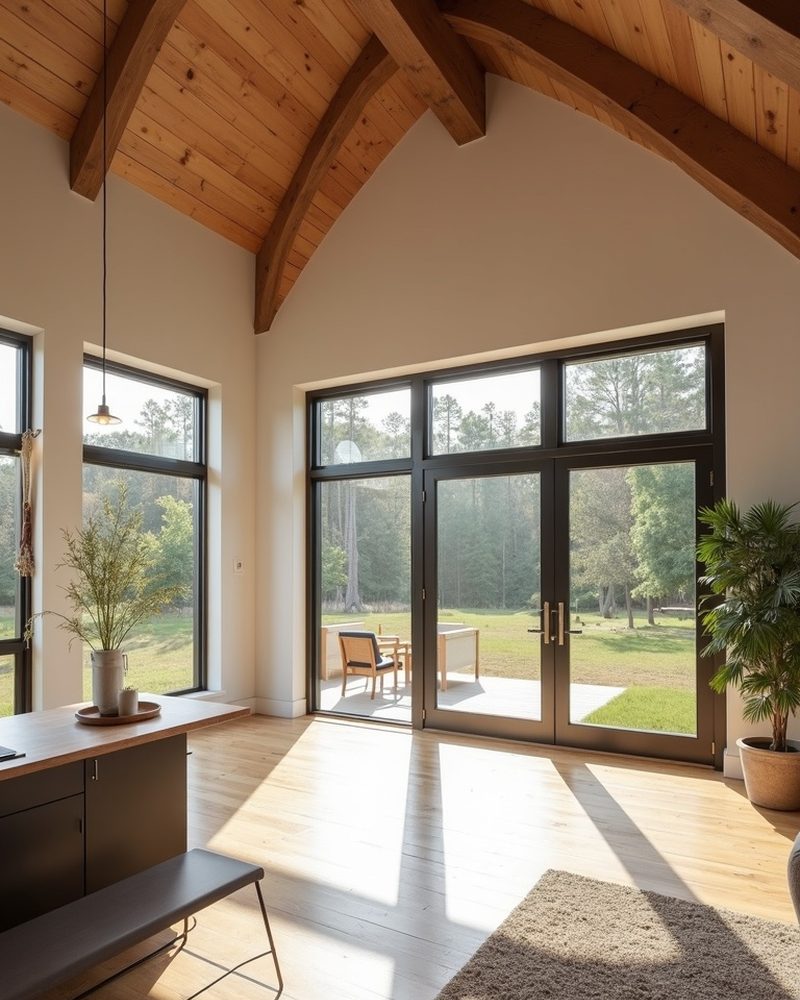
Hall County presents a unique mix of lakefront lifestyle, suburban convenience, and small town neighborhoods that appeal to a wide range of buyers and sellers. Whether you are competing for homes near Lake Lanier, selling a renovated ranch in Flowery Branch, or exploring new construction in Hoschton, understanding what drives value locally will help you make better offers, price homes correctly, and capture opportunities the moment they appear.
Start with a concise local market snapshot. Over the past year Hall County has shown steady buyer interest driven by lifestyle demand—water access, larger yards, and commute-friendly routes into the I-985 and GA-53 corridors. Inventory still fluctuates by micro-market: lakefront and Reunion-style golf communities often move faster than entry-level inventory inside Gainesville city limits. Monitoring months of inventory for the specific neighborhood you want is more valuable than a county-wide average for timing decisions.
If you are buying, make these practical moves first. Get a firm pre-approval from a local lender who understands Hall County requirements and timeline expectations. Being pre-approved, not pre-qualified, positions you to write stronger offers quickly when inventory is limited. Spend time on comparables in the exact subdivision or within a one-mile radius of your target property—two houses a mile apart can have dramatically different price behaviors based on school zones, lot orientation, and lake or wooded views.
For sellers, focus on the right first impression. Curb appeal and a neutral, clean interior still beat deep cosmetic overhauls in return on investment. Small, visible fixes—fresh paint, tidy landscaping, updated lighting—help photos perform better in search results and generate more showings. Pricing is the single most powerful lever: homes competitively priced for the local demand window receive more traffic and frequently attract multiple offers, which leads to higher final sale prices.
Understand the micro-markets inside Hall County. Lake Lanier shores command a premium for docks and water access; Reunion areas attract buyers seeking community amenities and golf access; historic Gainesville pockets and Oakwood-adjacent neighborhoods appeal to buyers wanting walkability and established trees. Each micro-market has its own seasonality and buyer profile—match your strategy to that profile rather than applying a generic county rule.
Keep financing realities in mind. Interest rates shape buyer budgets and bidding behavior. When rates rise, buyers pivot to different price bands or require seller concessions. When rates fall, competition increases. Sellers who know local lender timelines and inspection windows can avoid deal-killing surprises by setting realistic contingency periods in contracts.
Negotiate with facts, not emotion. Use recent closed sales under similar conditions as evidence. For buyers, present clean offers with pre-approval letters, reasonable inspection timelines, and a clear plan for appraisal gaps when neighborhoods with strong demand often appraise slightly lower than contract prices. For sellers, insist on verified buyer financing and a pre-inspection if you want to reduce renegotiation after repair requests.
Make staging and photography count for web searches. Most buyers start online—high-quality photos, accurate floor plans, and clear descriptions of hallmarks like proximity to Lake Lanier, school ratings, or HOA amenities will increase click-through rates from search results. For sellers, highlight energy upgrades, roof age, and recent systems updates in the listing text to reduce friction in the buyer’s due diligence process.
Plan for timing that reflects your goals. If you need speed, list when comparable homes are selling fastest in your neighborhood and be willing to price for a quick sale. If your priority is maximizing proceeds, consider minor staging upgrades and listing when buyer traffic in your micro-market is historically higher—often spring and early summer
